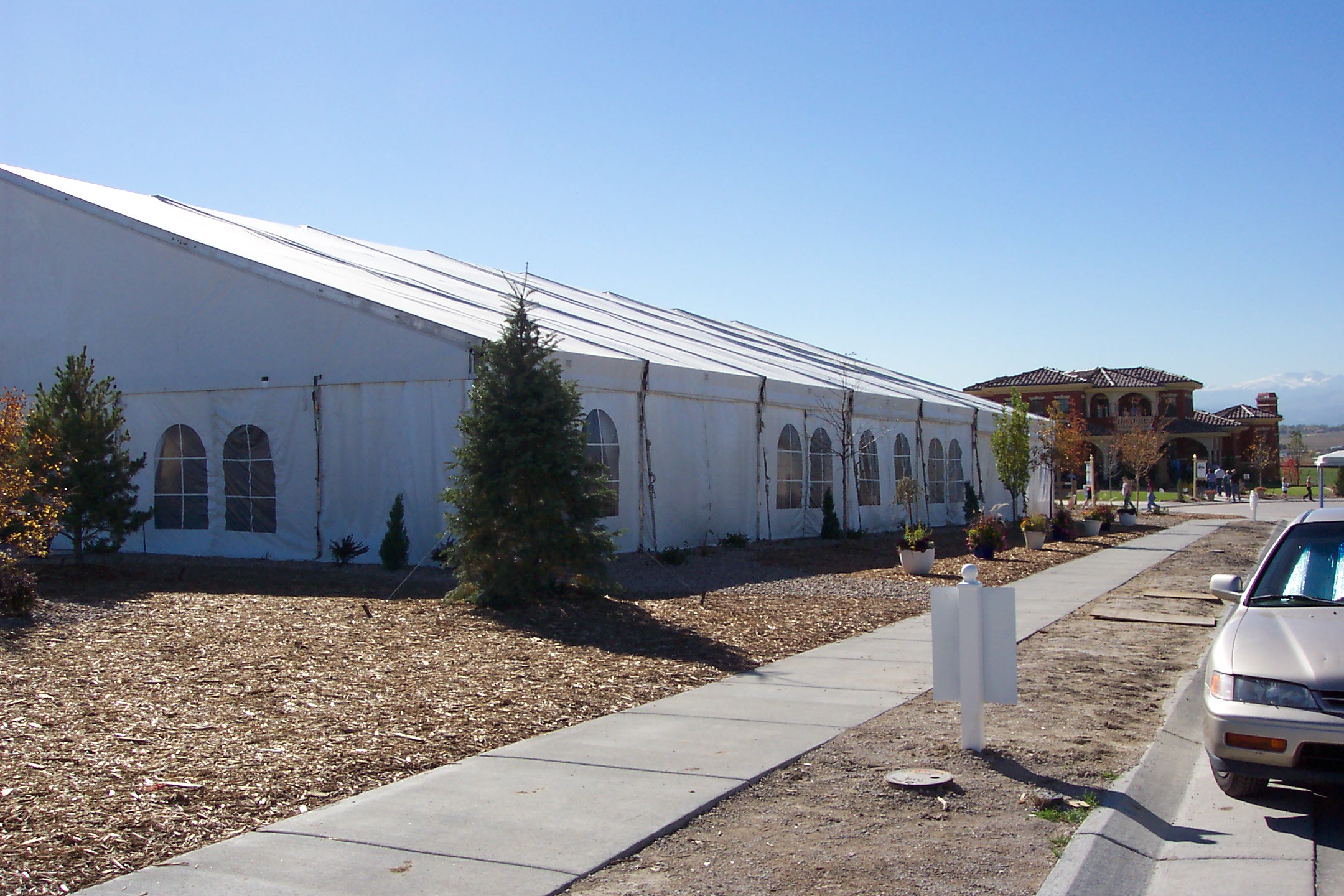
Outdoor events, construction projects, and seasonal venues across Colorado often rely on tent structures. However, Colorado’s weather—especially strong winds—makes structural safety an important consideration when planning long-term outdoor installations. Understanding Colorado’s tent wind rating standards helps planners choose tent systems designed to handle local wind conditions, with Super Tents (clear span tents) often being the most reliable option for windier environments.
Wind ratings indicate the wind speed a tent structure can withstand when installed correctly. These ratings matter for long-term installations because the structure must remain stable for weeks or months rather than just a single event. Many projects use wind-rated tents that Denver installations rely on to help ensure outdoor structures remain secure during changing weather conditions, and Super Tents are frequently selected due to their engineered strength and durability in higher wind conditions.
Companies experienced with Colorado installations understand how wind exposure affects temporary structures. Mountain View Tent Company provides tent rentals for events and projects across the Denver area and helps clients select structures appropriate for local conditions, often recommending Super Tents (clear span tents) for projects where wind resistance is a top priority.
Why Wind Ratings Matter for Colorado Tent Structures
Colorado frequently experiences strong wind gusts due to elevation and mountain weather patterns. Winds can increase quickly during storms or seasonal weather changes.
Because of these conditions, long-term tent installations require stronger structural systems than short-term event tents. Wind ratings help determine whether a tent system is suitable for extended outdoor use. Super Tents are especially well-suited for these conditions because their clear span design provides enhanced structural integrity compared to traditional tents.
Long-term tent installations are often used for:
- Outdoor event venues
- Construction staging areas
- Seasonal commercial spaces
Choosing the correct wind rating helps ensure the structure remains stable and safe, and selecting a Super Tent can provide additional peace of mind in areas prone to higher wind exposure.
Understanding Colorado Tent Wind Rating Standards
Tent wind ratings are typically measured in miles per hour (mph). The rating represents the wind speed a tent can withstand when installed according to manufacturer guidelines.
Different tent types offer different levels of wind resistance. Standard event tents are often designed for short-term use. Frame tents provide stronger structural support. Clear span tents—often referred to as Super Tents—use engineered aluminum frames that distribute wind loads evenly across the structure, making them one of the most wind-resistant options available.
Because of their strength and open interior space, Super Tents are commonly used for larger or long-term installations, particularly in Colorado where wind conditions can be unpredictable.
Across Denver, many outdoor projects rely on wind-rated tents that Denver planners trust when structures must remain in place for extended periods, with Super Tents frequently being the preferred solution in more exposed or wind-prone areas.
Structural Features That Improve Tent Wind Resistance
Wind-rated tents include structural components that improve stability during wind exposure.
Common structural features include:
- Heavy-duty aluminum or steel frames
- Reinforced roof tension systems
- Anchoring systems such as stakes or ballast
- Frame bracing for additional stability
These components help distribute wind forces across the structure and reduce movement during strong gusts. Super Tents incorporate many of these features at a higher engineered level, which is why they perform so well in demanding weather conditions.
Proper installation is also important. Anchoring systems must match the site conditions to ensure the structure performs as designed, especially when installing larger Super Tent structures in open or elevated areas.
How Colorado Weather Affects Tent Installations
Weather patterns along the Front Range often create changing wind conditions. Storm systems moving across the Rocky Mountains can produce sudden gusts, especially during spring and summer.
Tents used for long-term installations remain exposed to these conditions, so selecting structures designed for higher wind ratings helps reduce risk. Super Tents are particularly effective in these environments due to their rigid frame systems and ability to handle higher wind loads compared to lighter tent options.
Planning ahead allows event organizers and project managers to choose structures that match local environmental conditions, and in many cases, this means opting for a Super Tent when wind is a known factor. For planners working throughout the region, reviewing Colorado tent service areas can also help ensure availability and proper installation support.
Choosing the Right Wind-Rated Tent
Selecting the right tent structure depends on several factors. Long-term installations require careful planning to ensure the structure remains stable during the rental period.
Important considerations include:
- Length of installation
- Site exposure to wind
- Ground conditions for anchoring
- Size and layout of the structure
Working with experienced tent providers helps ensure the structure is appropriate for the project and local weather conditions. For projects in windier locations, many providers recommend Super Tents as the most reliable and durable option available. Event planners can also explore additional guidance in how to choose the right tent for your event in Denver when comparing tent options.
Working With Mountain View Tent Company
Planning outdoor structures in Colorado requires equipment designed for local conditions. Mountain View Tent Company provides tent rental solutions for events, construction projects, and seasonal outdoor spaces throughout the Denver area.
Their team helps clients choose tent structures that meet project needs while considering Colorado tent wind rating standards. By focusing on durable tent systems—especially Super Tents (clear span tents)—and proper installation practices, they help ensure outdoor structures remain functional and stable during long-term use.
If you are planning an event or project that requires a tent installation, Mountain View Tent Company can help you select a structure suited for Colorado conditions, including Super Tents for enhanced wind resistance and long-term reliability.
Colorado Tent Wind Rating FAQs
What is a wind-rated tent?
A wind-rated tent is a structure engineered to withstand specific wind speeds when installed with proper anchoring and structural support.
Why are tent wind ratings important in Colorado?
Colorado often experiences strong wind gusts, so wind ratings help ensure tent structures remain stable during changing weather conditions.
Are clearspan tents stronger than standard event tents?
Yes. Clear span tents, also known as Super Tents, use engineered aluminum frames designed to handle higher wind loads than most standard tents.
Can tents be used for long-term outdoor structures in Denver?
Yes. Many commercial tent systems are designed for long-term use such as construction shelters, seasonal venues, and extended events. Super Tents are commonly used for these applications due to their durability.
Who should install wind-rated tents?
Wind-rated tents should be installed by professionals who understand proper anchoring and structural assembly, especially when working with larger systems like Super Tents.