
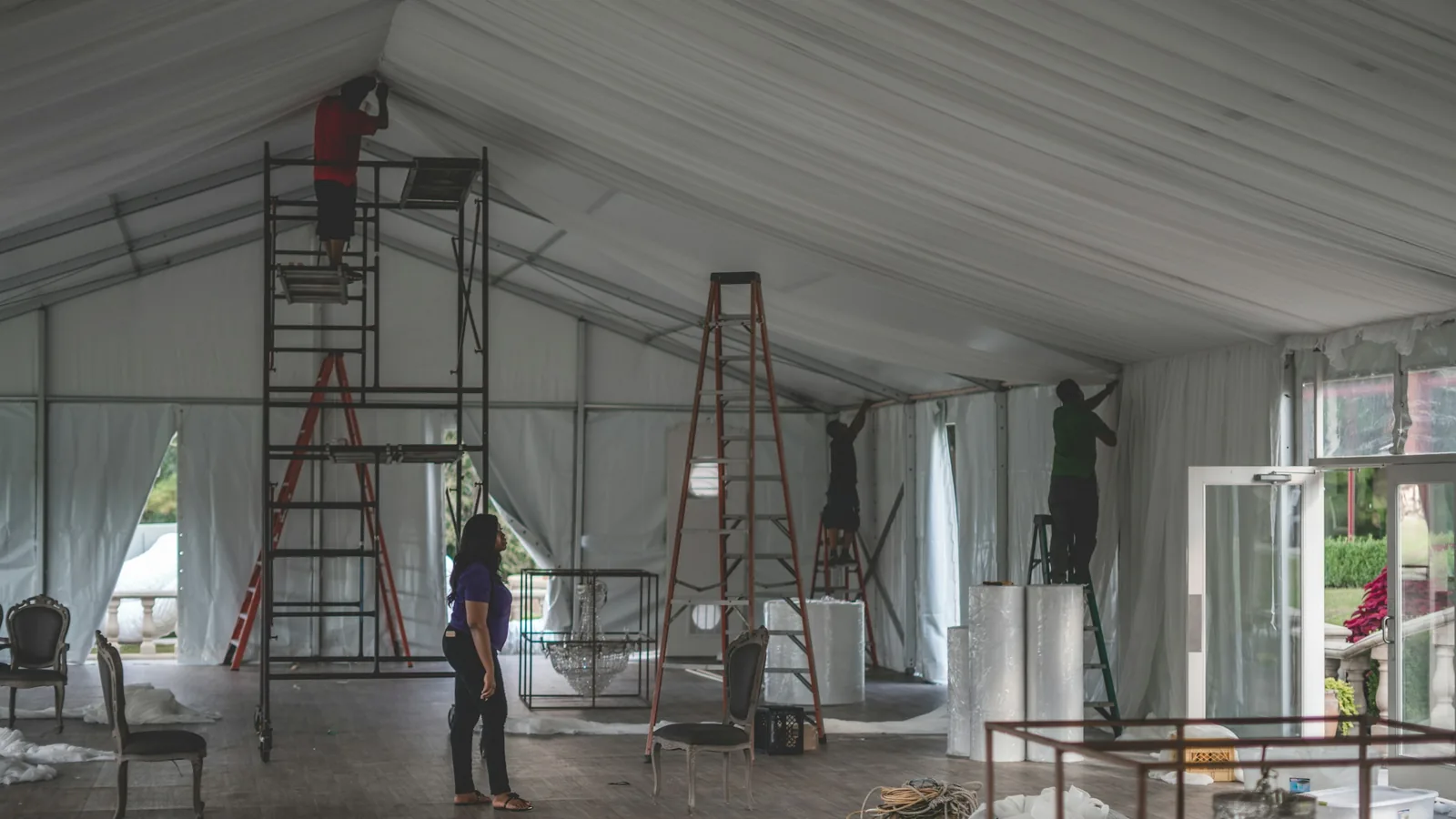
We have spent more than twenty years setting fabric structures on the ground across Colorado, and long-term tent rentals are a different job from a weekend party tent. A wedding tent stands for forty-eight hours. A construction canopy or a seasonal warehouse may need to hold through a foot of spring snow, fifty mile per hour gusts off the Front Range, and months of high-altitude UV. We build, own, and service every structure we rent, so a long-term tent rental from us is engineered for the duration, not improvised from event inventory.
Most calls we field for extended terms fall into a handful of patterns. Contractors need covered staging, equipment protection, and dry break areas on active job sites. Distribution operations need overflow capacity, which is exactly the problem we solve for delivery centers during high-volume seasons. Businesses that have outgrown their square footage lean on us for short-term storage tent rentals that quietly stretch into longer terms. Schools, wineries, and emergency operations round out the list. If the structure has to earn its keep for weeks or months rather than an afternoon, you are in long-term territory.
The fabric looks similar from the road, but the specification underneath is not. Anchoring, frame rating, and the rental agreement itself all change once a tent has to survive a full season.
| Factor | Short-Term Event Tent | Long-Term Tent Rental |
|---|---|---|
| Typical duration | One to seven days | One month to multiple seasons |
| Anchoring | Stakes or weights | Stakes or weights, with stakes typically recommended, site specific |
| Weather planning | Forecast for the weekend | Wind rating, snow-load plan, customer snow-removal plan |
| Accessories | Lighting, sidewalls | Climate control, flooring, doors, lighting |
| Agreement | Single-event contract | Monthly terms with renewal options |
The Front Range punishes anything left standing. Our long-term structures are specified against real load numbers, not guesses, which is the whole argument behind wind-rated tents for construction and storage projects. Before a frame goes up we confirm the anchoring method, the snow-removal responsibility, and the exposure of the site. If you want the underlying numbers, our breakdown of Colorado tent wind ratings shows how rating translates into a structure that stays put.
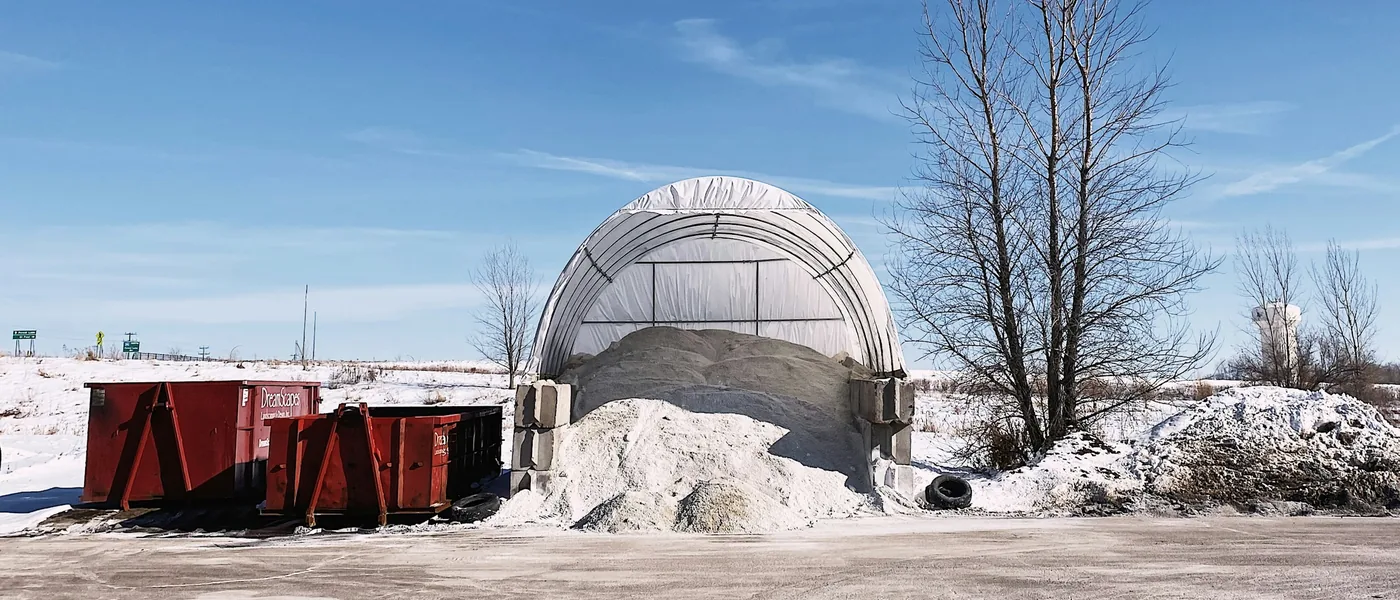
The common failure point on long-term installs is not the tent, it is the ground beneath it and the paperwork around it. Buried sprinkler lines, fiber, and gas all sit where anchors want to go, and a multi-month structure usually triggers a permit a weekend tent never would. We work that out before the trucks roll, and our site preparation checklist walks you through marking lines, clearing the pad, and confirming access so installation day is boring in the best way.
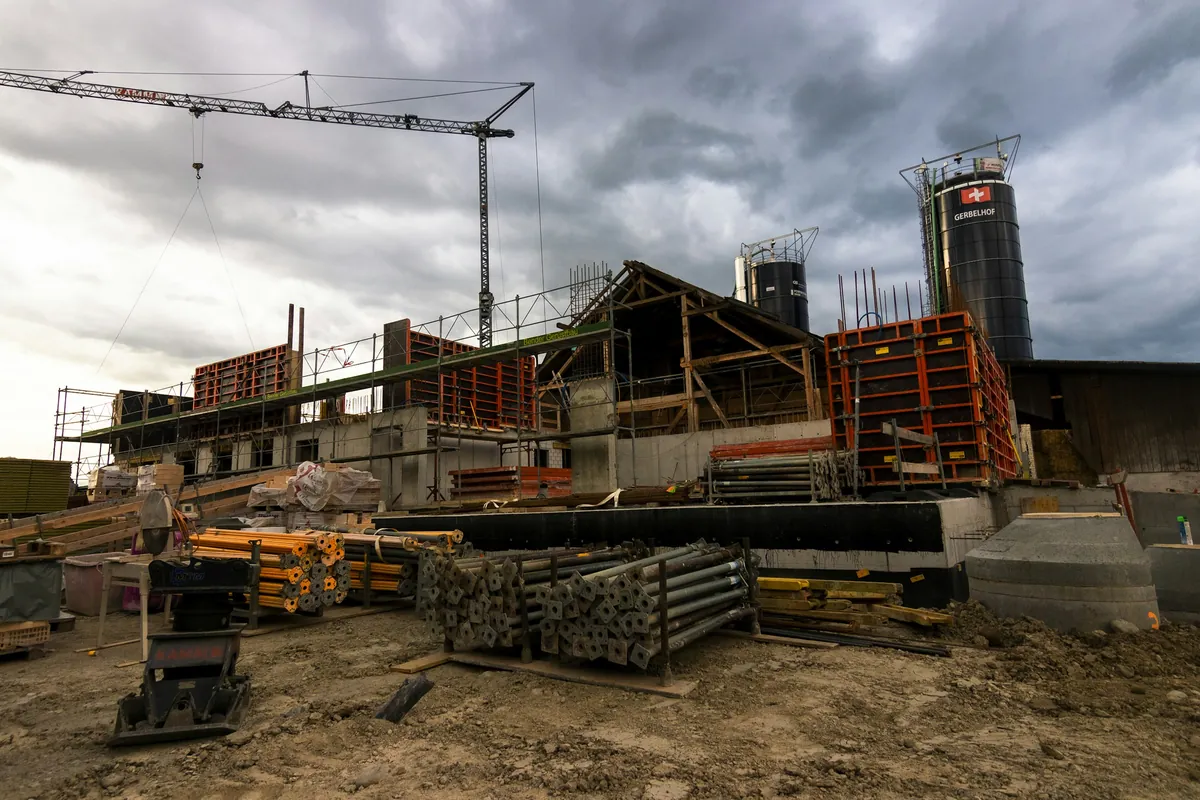
Because we manufacture our own inventory, we can match the structure to the workload instead of forcing your project into a stock size. Spans run from compact frame units to the clear, column-free interior of our Super Tent, and unusual footprints are handled through custom fabric structures we design in house. Browse the full range of tent styles to see footprints and heights, then layer in climate control, flooring, and lighting accessories so the space stays usable in January and July alike.
Field Note. The tents we set hold up under real weather. One client reported a structure standing through fifty mile per hour winds and a foot of snow. That outcome is not luck, it is the difference between a rated long-term structure and a borrowed event tent.
Our process is the same three steps we use for every job, scaled for a longer commitment. Tell us the site, the span, and the timeline, and we return a customized quote rather than a generic price, since location, size, and accessories all move the number. Long-term work is also bound by geography, so confirm we cover your location on our service areas across Colorado page. When the structure fits your project and your dates are locked, we sign, you submit a deposit, and the install is handled. Have a question first? Start by requesting a quote, or read through the tent rental FAQs for the details we are asked most.
Planning a multi-month structure? Call 303-287-4101 or tell us about your event and timeline to get started.
The Bottom Line. A long-term tent rental works when the structure is rated for the site, anchored for the season, and backed by a company that built it. Over twenty years in the Colorado market, in-house manufacturing, and engineered wind and snow planning are why our long-term tent rentals stay standing from the first week to the last.
About the Author: Tom Miller, Owner, Mountain View Tent Company
Tom has led Mountain View Tent for more than twenty years in the Colorado market, with deep crew experience in tent manufacturing and long-term commercial installations. His specialty is matching wind-rated, snow-ready fabric structures to construction, storage, and seasonal operations across the Front Range. View verified business profile.
Need covered space for weeks or months? Tell us the site, the span, and the timeline, and we’ll return a customized quote for a rated long-term structure.





Long-term tent rentals typically run from one month to multiple seasons, compared with one to seven days for a short-term event tent. Agreements use monthly terms with renewal options.
We use stakes or weights depending on the site, and we typically recommend stakes for long-term rentals. The anchoring method is confirmed before the frame goes up.
Snow removal is typically the customer’s responsibility. Before installation, we confirm the snow-removal plan along with the wind rating, snow-load plan, and site exposure.
A multi-month structure usually triggers a permit that a weekend tent never would. We work through permits and buried utilities such as sprinkler lines, fiber, and gas before installation day.
Yes. For picnics, client receptions, product launches, and outdoor trade shows, see our corporate tent rentals.