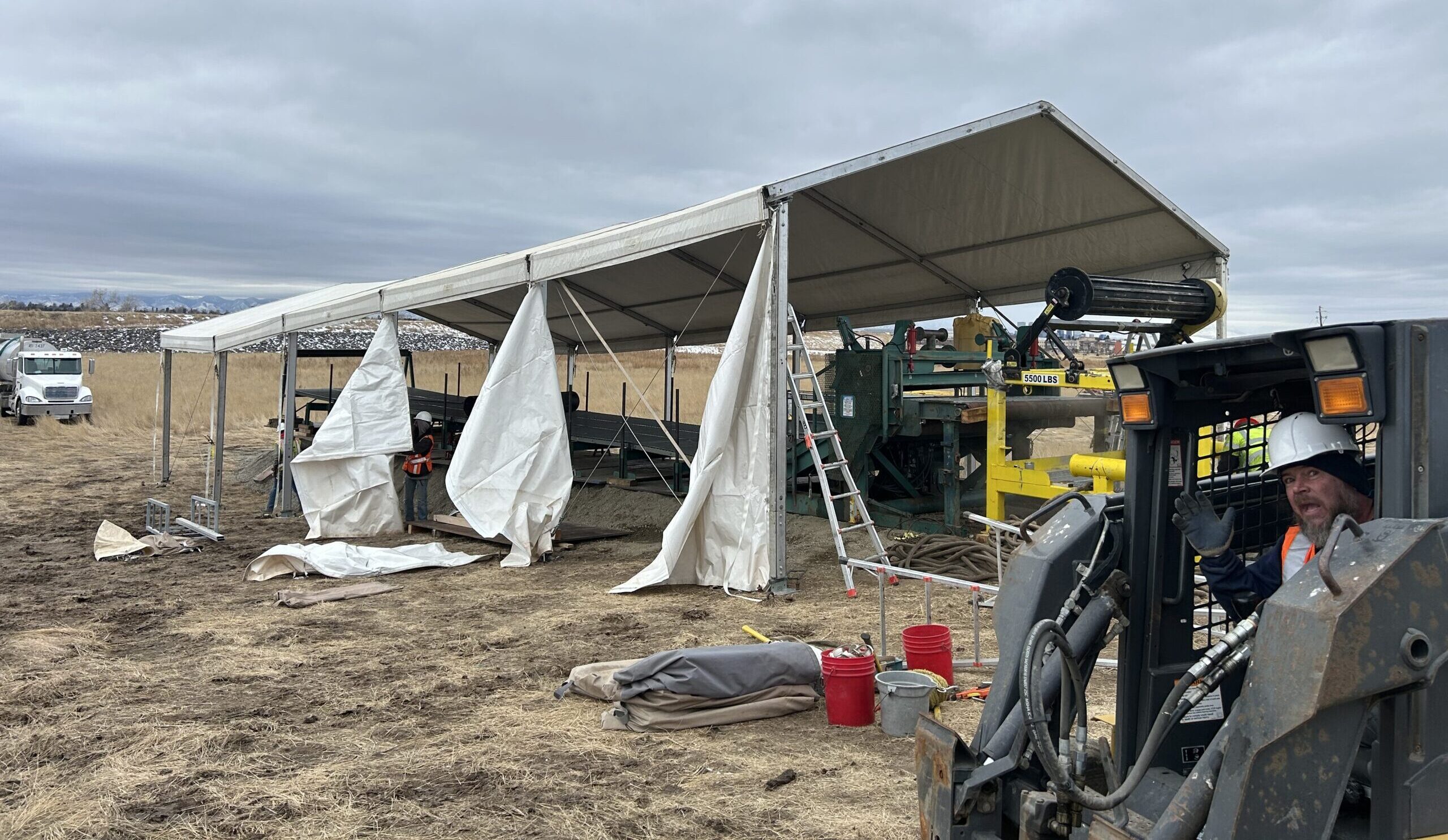
Long-term tent rentals are commonly used across Colorado for construction staging areas, equipment storage, industrial workspaces, and large outdoor operations. These structures provide flexible covered space without requiring permanent buildings, which makes them valuable for projects that may last weeks or months.
However, one of the most important steps in a successful installation happens before the tent ever arrives on site. Proper site preparation ensures that the structure can be installed safely, anchored correctly, and used reliably throughout the rental period.
Without planning, crews may encounter issues such as limited installation access, unstable ground conditions, or space constraints that delay installation. Preparing the site in advance allows installation teams to complete the setup efficiently while ensuring the tent structure performs as intended.
This tent site preparation checklist explains the key factors property owners, contractors, and event planners should review before scheduling long-term tent rentals.
Why Site Preparation Matters for Long-Term Tent Rentals
Temporary structures still rely on engineered frames, anchoring systems, and structural tension to remain stable. When tents are installed for longer periods of time, those structural systems must work together with the site conditions.
For example, uneven ground can place stress on the frame of the structure. Poor drainage can create standing water around the tent. Limited installation space can slow down the assembly process.
Long-term tent rentals are often used in environments where daily operations will take place underneath the structure. These may include construction sites, temporary storage areas, equipment staging zones, or project workspaces. Because of this, the site must support both the structure itself and the activities happening beneath it.
Preparing the site properly helps ensure:
- Safe installation conditions for crews
- Stable anchoring for the tent structure
- Reliable performance during changing weather
By evaluating the location ahead of time, project planners can avoid common installation issues and keep projects on schedule.
Access for Tent Installation Equipment
One of the first things installation teams evaluate is whether equipment can reach the site safely. Large tent structures require delivery trucks, trailers, and sometimes lifting equipment to move structural components into place.
If access routes are blocked or too narrow, crews may have difficulty unloading materials or assembling the structure efficiently.
Important access considerations include:
- Clear routes for delivery trucks and trailers
- Adequate turning space for larger vehicles
- No overhead obstructions such as tree branches or power lines
- Enough open space around the installation area for assembly
Construction sites and industrial properties sometimes have active equipment, fencing, or temporary barriers that can affect installation access. Coordinating with the installation team before delivery helps ensure the area is ready for setup.
Ground Surface Conditions
The type of ground surface plays a major role in how tents are anchored. Long-term tent rentals must be secured properly to remain stable during wind and weather conditions.
Some surfaces allow anchors to be driven directly into the ground, while others require alternative anchoring systems.
Common surfaces used for tent installations include:
- Grass or soil areas
- Gravel lots
- Asphalt surfaces
- Concrete pads
Each surface may require a different anchoring method. For example, soil surfaces often allow staking, while paved surfaces may require ballast or weighted anchoring systems.
In addition to surface type, the ground should be reasonably level. Large slopes or uneven terrain can make it difficult to assemble the structure correctly and may require minor grading before installation.
Checking ground conditions ahead of time allows installation teams to plan the appropriate anchoring approach.
Space Requirements Around the Tent Structure
Another important part of a tent site preparation checklist is confirming that enough space exists for both the structure and the installation process.
While it may seem that only the tent footprint matters, installation crews need additional space around the structure to assemble the frame and secure anchoring points.
Planning space for the installation process helps prevent delays and safety issues.
When evaluating the location, consider space for:
- The full tent footprint
- Installation clearance around the perimeter
- Anchoring locations outside the main structure
Large tent systems may require extra room during assembly as frame components are lifted into position. Tight installation areas can slow the process and make it more difficult for crews to work safely.
Providing adequate installation space helps ensure the structure can be assembled efficiently.
Planning for Drainage and Weather Conditions
Colorado weather can change quickly, which makes environmental planning an important part of site preparation. Long-term tent rentals may remain installed through rain, wind, or seasonal weather changes.
Drainage should be evaluated before installation begins. Areas where water collects after storms can create muddy conditions or standing water around the tent.
Good drainage helps prevent:
- Water accumulation around anchoring points
- Access issues for equipment and personnel
- Ground softening that could affect stability
Selecting a slightly elevated area or a site with natural drainage can improve long-term conditions around the tent.
Wind exposure is another factor that should be considered when choosing the installation location. Open fields and exposed areas may experience stronger wind conditions than protected locations.
Working with experienced tent rental providers helps ensure the structure selected is appropriate for the environment.
Planning for Operations Under the Tent
Many long-term tent rentals are used as functional workspaces rather than simple shelters. Construction crews may store materials, stage equipment, or complete project tasks beneath the structure.
Because of this, it is helpful to think about how the space will be used after installation.
Project planners often consider:
- Equipment placement and storage layout
- Access routes for workers and vehicles
- Lighting or electrical needs, if required
- Planning the operational layout ahead of time allows the tent to be positioned in the most practical location for daily use.
This type of planning can improve efficiency and prevent adjustments later in the project.
Why Professional Installation Matters
Tent structures may appear simple, but they rely on precise assembly and proper anchoring to perform safely. Professional installation teams evaluate the site before installation and confirm that the ground, space, and access conditions are suitable.
Experienced crews also ensure the structure is installed according to manufacturer guidelines and engineering standards.
For long-term tent rentals, professional installation helps ensure:
- Proper structural setup
- Secure anchoring systems
- Efficient installation timelines
Working with an experienced provider helps prevent installation issues and ensures the tent performs reliably throughout the rental period.
Work With Mountain View Tent Company for Long-Term Tent Rentals
When projects require dependable temporary structures, working with an experienced provider can make the installation process much smoother. Mountain View Tent Company provides tent rentals and long-term tent rental solutions throughout the Denver area, supporting construction projects, storage operations, and outdoor workspaces.
Their team works with clients to review site conditions, confirm installation access, and evaluate the ground surface before installation begins. This planning process helps ensure the structure can be installed safely and perform reliably throughout the rental period.
If you are preparing for an upcoming project, Mountain View Tent Company can help evaluate your location and recommend the right tent rental solution for your needs. Reviewing site conditions in advance is one of the best ways to ensure a smooth installation and dependable coverage for long-term outdoor operations.
Tent Site Preparation Checklist FAQs
What is included in a tent site preparation checklist?
A tent site preparation checklist typically includes evaluating installation access, ground surface conditions, available space for the structure, drainage considerations, and environmental factors such as wind exposure.
How much space is required for a tent installation?
In addition to the tent footprint, extra clearance is needed around the structure for assembly and anchoring points. Installation crews often require several feet of working space around the perimeter.
Can tents be installed on gravel or paved surfaces?
Yes. Tents can be installed on gravel, asphalt, or concrete using different anchoring methods such as ballast systems or weighted anchors when staking is not possible.
Why is level ground important for tent installations?
Level ground allows the tent frame to be assembled evenly and prevents structural stress that can occur when a structure is placed on uneven terrain.
Who should evaluate a tent installation site?
A professional tent rental provider can review the site before installation and confirm that the location is suitable for safe assembly and anchoring.